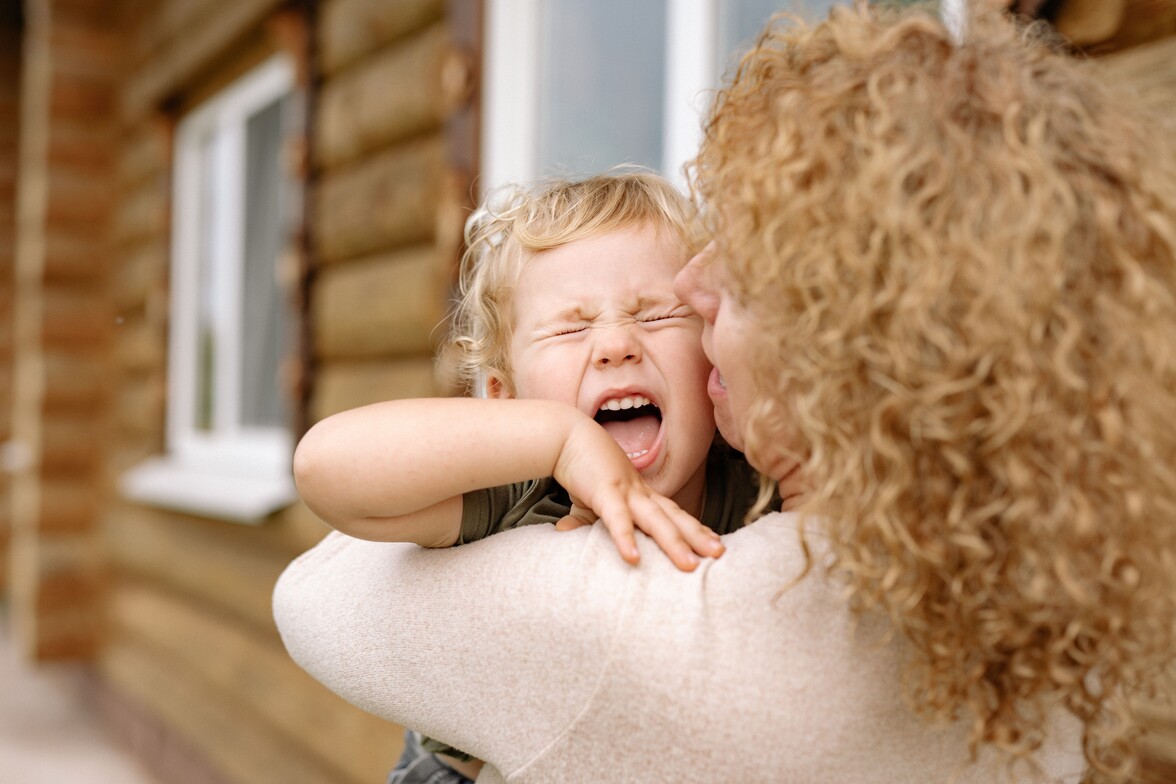
If your child goes from seemingly fine to yelling, crying, hitting, throwing things, or slamming a door, it can be hard to know what to do in the moment.
You might find yourself trying to calm them down, correct the behaviour, figure out what set them off, and keep everyone else safe, all at the same time.
When I work with children who struggle with anger, one of the first things I want parents to understand is that anger isn't a bad emotion.
I don't want to teach your child that they shouldn't feel angry. I want to help them understand what their anger is telling them and learn what they can do with that feeling when it shows up.
What might be underneath the anger?
Anger is often the emotion we can see most clearly from the outside.
Your child might yell, argue, cry, hit, throw something, withdraw, or refuse to talk. But the behaviour doesn't always tell us the whole story about what they're experiencing.
Sometimes anger shows up when a child is frustrated or disappointed. Sometimes they're worried, sad, overwhelmed, embarrassed, or feeling misunderstood. They may be struggling with a transition, a limit you've set, conflict with a sibling, something they can't do the way they want to, a change in routine, sensory overload, or simply not having the words to tell you what they need.
This is why I like to get curious about anger rather than only trying to make it stop.
Instead of only asking, "How do I get my child to stop having these outbursts?"
I also want to ask: "What tends to happen before the anger?"
That can give us much more useful information.
Anger can look different at different ages
A young child and a teenager aren't necessarily going to show anger in the same way.
Younger children may have fewer words for what they're experiencing and may communicate through crying, yelling, hitting, throwing, or having a meltdown.
As children get older, anger might look more like arguing, snapping at family members, shutting down, withdrawing, slamming doors, or saying things they later regret.
How much support your child needs will also depend on their age and development.
I don't expect a young child to independently manage a huge emotion using skills they've never learned. Emotional regulation develops over time, and children often need adults to help them understand what they're feeling and practice what to do with it.
You can validate anger and still hold the boundary
This is one of the most important distinctions I make with parents.
Validating your child's emotion doesn't mean accepting every behaviour that comes with it.
You can understand that your child is furious and still stop them from hitting their sibling.
You can acknowledge that they're disappointed and still hold the limit you already set.
You can let them know their anger makes sense without allowing them to hurt themselves, hurt someone else, or damage things.
Your response might sound like:"It's okay to be angry. It's not okay to hit. I'm here to help you calm your body, and we can talk about what happened when you're ready."
That communicates two things at once:
Your feeling is allowed.
There are still boundaries around what you do with that feeling.
Learn your child's early signs of anger
It's much easier to use a coping strategy when your child is starting to get upset than when they're already completely overwhelmed.
That's why one practical thing I encourage parents to do is start looking for the early signs.
Think about the last few times your child became really angry.
What happened in the five or ten minutes beforehand?
Maybe their voice got louder. Their body became tense. They started pacing. They clenched their fists. They became more argumentative. They started saying everything was "stupid" or "unfair." Maybe they became unusually quiet.
Then look at what was happening around them.
Were you asking them to transition away from something they enjoyed?
Had you just set a boundary?
Were they struggling with something they couldn't do?
Were they tired, hungry, overstimulated, or already having a difficult day?
You don't need to find one explanation for every outburst. You're looking for patterns.
The earlier you and your child can recognize "I'm starting to get really angry," the more opportunity there is to do something before the emotion becomes overwhelming.
What can I do when my child is already really angry?
When your child is in the middle of a major outburst, it can be tempting to use that moment to explain why their behaviour isn't okay, ask them why they did it, or teach them what they should've done differently.
That may not be the best time for the lesson.
When emotions are very high, I usually want to focus first on safety and helping the child settle.
Depending on your child's age and what works for them, that might mean giving them some space while staying nearby, helping them slow their breathing, offering movement, reducing sensory stimulation, or using a familiar calming tool.
Your child may also need you to regulate yourself.
Children often learn how to manage strong emotions through repeated experiences of having a trusted adult remain calm, present, and supportive while they're struggling. This is part of what we mean by co-regulation.
That doesn't mean you have to be perfectly calm every time. You're human too. But slowing yourself down can make it easier to help your child slow down.
Teach the skill when everyone is calm
Once the intensity has come down, that's when I want to get curious about what happened.
You might ask:
"What was happening right before you got really angry?"
"What did you notice in your body?"
"What were you needing in that moment?"
"What could we try next time when you notice that feeling starting?"
Then you can practice.
Maybe your child learns to ask for space before they explode. Maybe movement helps them release some of the energy. Maybe they use breathing or a sensory tool. Maybe they need words they can use when they're frustrated, such as, "I need help," "I need a break," or "I'm getting really angry."
There isn't one calming strategy that will work for every child.
The goal is to help your child build a small set of strategies they can practice and gradually learn to use when anger starts to build.
Don't forget what happens afterward
Once an outburst is over, families sometimes just want to move on.
I understand that. Everyone may be exhausted.
What happens afterward can be an important part of helping children learn.
This doesn't need to be a long lecture or a conversation designed to make your child feel ashamed.
Instead, you can help them reflect:
What happened?
How were you feeling?
What did you do?
Did anyone get hurt or affected by what happened?
Is there anything we need to do to make things right?
What could we try differently next time?
Repair might mean apologizing to a sibling, helping clean up something that was thrown, reconnecting with you, or simply talking about how they want to handle the situation differently next time.
The message isn't "You're bad because you got angry."
It's "You had a really big feeling, something happened because of it, and we can work through it together."
When anger is becoming hard to manage
Every child gets angry. Having an angry outburst doesn't automatically mean something is wrong.
I start to pay closer attention when anger is happening frequently, feels very intense, regularly involves aggression or unsafe behaviour, causes significant problems at home or school, affects relationships, or seems difficult for the child and family to manage.
Therapy can provide a place to understand what's contributing to the anger rather than focusing only on stopping the behaviour.
Depending on your child's needs, we might work on identifying emotions and triggers, recognizing early signs of escalation, practicing coping and regulation strategies, problem-solving, communicating needs, and finding safer ways to express anger.
Parents can be an important part of that process too. We can look together at what tends to happen before, during, and after an outburst and how you can support your child while still maintaining appropriate boundaries.
The goal isn't for your child to never get angry.
Children don't need to learn how to stop feeling angry. They need support learning what to do when they are angry.
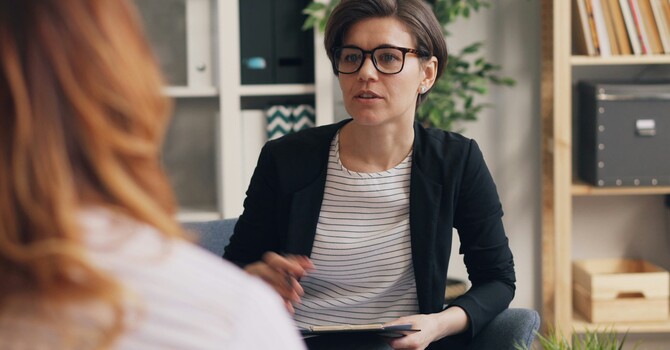
I’m Jenn Clayden, a Registered Social Worker at Foothills Integrative Psychology & Neurotherapy, and I work with children who may be having a difficult time managing their feelings.
If your child's anger or big emotions are becoming difficult to manage at home, school, or in relationships, booking a free 20-minute consultation gives us a chance to talk about what's been happening, ask questions, and explore how I can best support your child.