You’ve Been Surviving for a Long Time
You may not always talk about what happened, but your body remembers. You might feel constantly on edge, overwhelmed, or exhausted from trying to hold everything together. Or you may feel numb, disconnected, or like you are moving through life on autopilot.
Trauma can show up in many ways. Anxiety, panic, shutdown, dissociation, emotional reactivity, sleep issues, or difficulty trusting others. You may feel stuck in patterns of people-pleasing, perfectionism, avoidance, or emotional withdrawal, even when you want to feel closer, calmer, and more present.
If this feels familiar, you are not broken. These are often protective responses shaped by experiences your nervous system had to survive.
At Foothills Integrative, we understand the complexity of trauma healing. Therapy is not about pushing you to relive the past. It is about helping you build safety, regulation, and connection at a pace that feels manageable.
What is Trauma?
Trauma includes both major events and quieter experiences that shape the nervous system over time.
For some, trauma is connected to clear experiences such as accidents, abuse, assault, medical trauma, or sudden loss. For others, trauma develops through chronic stress, disrupted attachment, emotional neglect, or environments that did not feel safe.
Trauma is not only stored in memory. It can show up in the body, in emotional patterns, in relationships, and in the nervous system’s ability to regulate. Healing often involves more than insight alone. It involves rebuilding safety, restoring connection, and helping the body and nervous system release what has been held for too long.
Our Approach to Trauma Therapy
At Foothills Integrative, we believe trauma healing begins with safety. Traditional talk therapy can be helpful, but for many trauma-impacted clients it does not fully address how trauma lives in the body and nervous system.
Our approach is integrative, trauma-informed, and paced carefully. We support both emotional processing and nervous system regulation, so healing feels sustainable rather than overwhelming.
Depending on your needs, trauma therapy may include approaches such as:
- Deep Brain Reorienting (DBR)
- Eye Movement Desensitization and Reprocessing (EMDR)
- Natural Processing (NP)
- Sensorimotor Psychotherapy
- Polyvagal-informed therapy and nervous system regulation
- Mindfulness and grounding practices
- Attachment-informed care and relational repair
There is no one right way to heal. We collaborate with you to find an approach that feels safe, respectful, and aligned with your goals.
Who is Trauma Therapy For?
Trauma therapy can support anyone who feels impacted by past or ongoing trauma, whether it is clearly remembered or felt more as unease in the body. You do not need a diagnosis to benefit.
Trauma therapy may be a fit if you:
- feel emotionally numb or disconnected
- experience dissociation or feel “checked out”
- struggle with anxiety, depression, or mood shifts linked to trauma
- feel easily triggered, reactive, or overwhelmed
- have difficulty trusting others or feeling safe in relationships
- experience physical symptoms connected to stress
- feel stuck in patterns of people-pleasing, perfectionism, or avoidance
- want to heal attachment wounds and rebuild connection
What to Expect in Trauma Therapy
Healing unfolds at your pace, prioritizing safety and presence
Building Safety, Grounding, and Containment
The Therapeutic Relationship
Trauma Processing and Integration
Healing Is Non-Linear
Why Clients Choose Foothills Integrative
Beginning trauma therapy is a meaningful step, and it is important to work with clinicians who understand trauma deeply.
At Foothills Integrative, clients choose us because we offer:
- trauma-informed, nervous system-based care
- evidence-informed approaches including EMDR and DBR
- therapy that goes beyond talk and includes body-based healing
- a strong focus on emotional safety and pacing
- relational, attachment-informed support
- an integrative clinic model that supports whole-person healing
- a warm environment rooted in compassion, integrity, and respect
- optional neurotherapy integration
We believe healing happens when safety, skill, and connection come together.
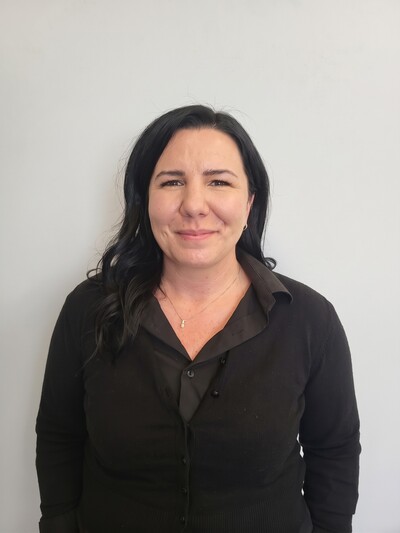
Meet Our Trauma Therapists




Take the First Step
Beginning trauma therapy takes courage. You do not need to have the perfect words, a clear timeline, or a complete understanding of what happened. You only need a willingness to begin.
When you are ready, we are here.
We offer a free 20-minute consultation to help you ask questions, explore fit, and take the next step. No pressure, just presence.
In-person sessions in Okotoks and virtual therapy across Alberta
Frequently Asked Questions
Trauma affects your body, mind, and relationships. It can show up as fatigue, tension, racing thoughts, nightmares, emotional numbness, or feeling stuck in survival mode. If you experienced trauma in childhood, the impact can run deep—affecting trust, self-worth, and emotional regulation. But healing is possible, and therapy can help you reconnect with your sense of safety and self.
“Big T” trauma includes events like physical assault, serious accidents, or natural disasters—things that threaten your life or safety and often lead to PTSD. “Little t” trauma includes things like emotional neglect, bullying, or chronic stress—especially in childhood. These experiences may seem smaller, but they can still deeply affect your nervous system and mental health. All trauma is valid, and we work with you no matter what your story looks like.